
Table of Contents
ToggleIntroduction: The Heart of Mexican Flavor
Queso Mexicano, or Mexican cheese, is more than just a dairy product—it’s a celebration of culture, history, and flavor. Found in vibrant markets and family kitchens across Mexico, Queso Mexicano connects people through generations of tradition. From its Spanish-influenced origins to its regional varieties, this cheese tells the story of Mexico’s culinary evolution. Whether you enjoy it fresh over tacos or melted in a quesadilla, Queso Mexicano embodies the soul of authentic Mexican cuisine.
A Glimpse into History
The history of Queso Mexicano dates back to the 16th century when Spanish settlers introduced cheese-making techniques to Mexico. However, the real magic began when these European methods met indigenous practices. The Aztecs and Mayans were already using milk from goats and sheep, and over time, local ingredients transformed the imported techniques into something uniquely Mexican.
This cultural blend resulted in the rich, diverse cheeses we enjoy today—each shaped by geography, local tastes, and family traditions.
Popular Varieties of Queso Mexicano
Mexico’s cheese diversity is remarkable. Each region takes pride in its own signature style, flavor, and texture. Let’s explore the most beloved types of Queso Mexicano and how they’re used in everyday dishes.
1. Queso Fresco
Queso Fresco, meaning “fresh cheese,” is light, mild, and crumbly. It’s often sprinkled over tacos, salads, and enchiladas. Because it doesn’t melt easily, it adds a pleasant contrast to spicy and saucy dishes.
2. Panela
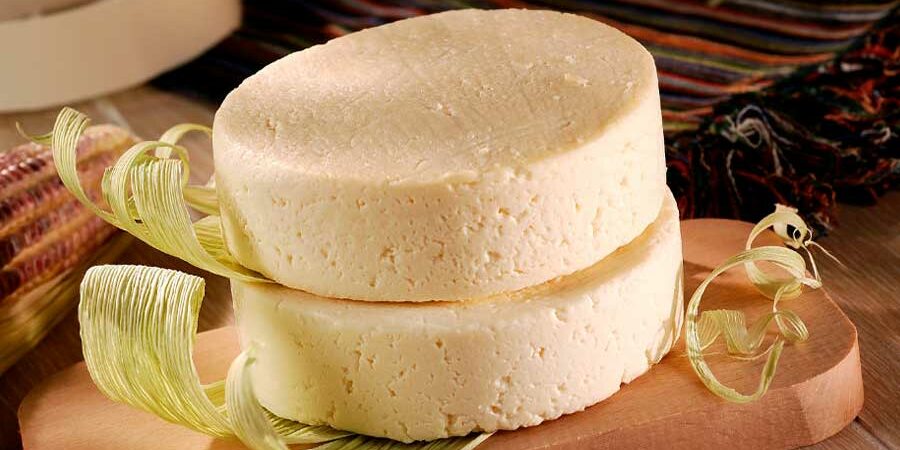
Known as queso de la canasta or “basket cheese,” Panela is soft, white, and slightly firm. It holds its shape when grilled, which makes it a favorite for dishes like chiles rellenos or nopales con queso. Its mild taste pairs beautifully with fruit and fresh vegetables.
3. Oaxaca Cheese
Originating from the southern state of Oaxaca, this cheese has a stretchy, string-like texture similar to mozzarella. It melts easily and beautifully, making it perfect for quesadillas, molletes, and gooey dips like Queso Fundido.
4. Cotija Cheese
Cotija, often called the “Parmesan of Mexico,” is crumbly, aged, and salty. It’s a key topping for elotes (Mexican street corn), beans, and soups. The bold flavor enhances any dish with a savory kick.
5. Queso Blanco
This “white cheese” is mild and slightly tangy. It’s often fried to a golden crisp or crumbled over tostadas and refried beans. Its clean flavor makes it a perfect choice for both traditional and fusion recipes.
Cultural Significance of Queso Mexicano
Queso Mexicano represents more than taste—it symbolizes family, community, and heritage. Cheese-making is a deeply rooted tradition passed down through generations. In rural areas, families still use time-honored methods to craft cheese by hand, creating a direct connection between land, animals, and people.
During festivals and family gatherings, cheese often takes center stage—served alongside tamales, tortillas, and salsas. Every bite tells a story of pride, history, and home.
Queso Mexicano Beyond Borders
Today, Queso Mexicano has gained global recognition. With the rising popularity of authentic Mexican cuisine, you can find these cheeses in markets and restaurants worldwide. Chefs experiment with them in international dishes, blending tradition with innovation.
For instance, Cotija might top Italian-style pasta, while Oaxaca cheese becomes the star of fusion pizzas. This global love for Queso Mexicano celebrates its versatility and irresistible flavor.
Additionally, artisanal cheesemakers are reviving ancient recipes and experimenting with new flavors—infusing cheeses with herbs, chilies, or smoky notes. This renaissance honors the past while embracing creative possibilities for the future.
Health Benefits and Culinary Uses
Besides its flavor, Queso Mexicano offers nutritional benefits. It’s rich in protein, calcium, and healthy fats. Fresh varieties like Queso Fresco are lower in calories, while aged cheeses like Cotija provide intense flavor in small amounts.
In cooking, Queso Mexicano shines as both a star ingredient and a garnish. Use it to fill enchiladas, melt into soups, or sprinkle over fresh salads. Its ability to complement spicy, sweet, and savory flavors makes it indispensable in Mexican cuisine.
Conclusion: A Taste of Heritage
Queso Mexicano is not just cheese—it’s a flavorful journey through Mexico’s rich history and culture. Each bite connects centuries of tradition, craftsmanship, and passion. Whether enjoyed simply with tortillas or as part of an elaborate feast, this cheese captures the essence of Mexico’s culinary spirit.
So, the next time you savor Queso Mexicano, remember that you’re tasting more than flavor—you’re experiencing a legacy that continues to unite families, inspire chefs, and delight food lovers around the world.
