
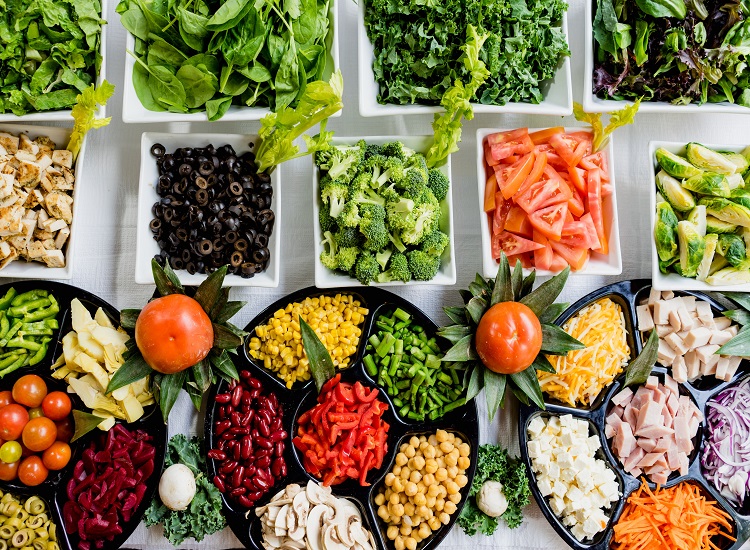
Good Nutrition for Healing plays a vital role in helping your body recover faster, rebuild strength, and prevent complications after surgery. When preparing for or recovering from surgery, your diet plays a crucial role in how well your body heals. Many patients underestimate the impact of food on recovery. However, good nutrition for healing can make the difference between a slow recovery and a strong, successful one.
Let’s explore how eating the right foods, staying hydrated, and maintaining a healthy weight can support your healing journey — especially if you’re preparing for a knee-replacement surgery.
Table of Contents
ToggleNutrition’s Role in Recovery
Your body depends on nutrients every day to repair tissues, form new cells, and fight infection. After surgery, your need for nutrients increases. A balanced diet filled with lean proteins, vitamins, and whole grains helps your body heal faster and reduce inflammation.
Protein is especially vital. Lean meats, poultry, fish, eggs, beans, and nuts provide amino acids like arginine and glutamine, which speed wound healing and support immune function.
In the middle of recovery, focusing on Good Nutrition for Healing ensures your body gets the right balance of nutrients to repair tissues and maintain strength.
Essential Nutrients for Healing
Protein – The Building Block of Recovery
After surgery, your body rebuilds tissues and muscles. Getting enough protein is key. Include foods such as chicken, fish, lentils, and low-fat dairy. These help repair wounds and maintain muscle mass.
Healthy Fats – Fighting Inflammation
Omega-3 fatty acids from salmon, tuna, walnuts, and canola oil help reduce inflammation. These healthy fats not only aid healing but also protect your heart and joints.
Vitamins and Minerals – Nature’s Healers
-
Vitamin A from carrots, spinach, and dairy promotes the formation of skin and bone cells.
-
Vitamin C from citrus fruits, tomatoes, and strawberries helps build collagen and repair tissue.
-
Vitamin E from whole grains and nuts acts as an antioxidant, protecting cells during recovery.
Whole-Grain Carbohydrates – Energy for Recovery
Whole grains like oats, brown rice, and whole wheat bread provide lasting energy and fiber. They keep blood sugar stable, improve digestion, and supply vitamin E.
Weight and Joint Health Connection
Maintaining a healthy weight is crucial before and after surgery. The Arthritis Foundation explains that every extra pound adds four pounds of pressure on your knees. For example, if you’re 25 pounds overweight, your knees endure an additional 100 pounds of stress.
Losing even a small amount of weight can reduce this pressure, improve mobility, and enhance surgical outcomes. A balanced diet combined with light physical activity is the best way to achieve this.
Practical Steps for a Healing Diet
1. Keep a Food Journal
Write down what you eat daily. Tracking helps identify areas for improvement — for example, replacing chips with almonds or soda with water.
2. Limit Added Fats and Sugars
High-fat and high-sugar foods slow healing and can lead to weight gain. Choose baked or grilled foods instead of fried, and sweeten meals naturally with fruits.
3. Consider a Multivitamin
If your diet lacks key
Incorporating Good Nutrition for Healing into every meal can significantly reduce inflammation and speed up your overall recovery process, take a USP-verified multivitamin that provides 100% of your daily vitamin and mineral needs. Always check with your doctor before starting supplements.
4. Stay Hydrated
Water helps distribute nutrients throughout the body and supports every healing process. Aim for at least 8 glasses a day unless advised otherwise by your doctor.
Exercise and Physical Therapy Before and After Surgery
Physical activity supports healing and strengthens muscles. Dr. John D. Willson, from East Carolina University’s Human Movement Analysis Lab, recommends meeting with a physical therapist before knee replacement surgery.
Pre-surgery exercises can improve quadriceps strength and range of motion, preparing your body for faster recovery. After surgery, continue light movement as soon as your doctor approves.
Remember: mild soreness is normal, but if you feel sharp pain or notice swelling, stop and contact your doctor.
Nutrition and Chronic Disease Management
If you have conditions like diabetes, maintain your prescribed diet throughout recovery. Balanced Good Nutrition for Healing helps manage blood glucose and prevents complications.
Avoid skipping meals — instead, focus on smaller, frequent portions that include lean proteins, vegetables, and healthy carbs.
Sample One-Day Healing Menu
-
Breakfast: Oatmeal topped with strawberries and chia seeds
-
Snack: Low-fat yogurt with walnuts
-
Lunch: Grilled salmon, brown rice, and steamed spinach
-
Snack: Apple slices with almond butter
-
Dinner: Chicken stir-fry with mixed vegetables and whole-grain noodles
-
Hydration: Water or herbal tea throughout the day
This simple plan provides protein, fiber, and vitamins to fuel recovery.
Final Tips for Healing Success
-
Eat balanced meals: Include lean proteins, healthy fats, and colorful vegetables.
-
Stay consistent: Follow your meal plan before and after surgery.
-
Consult experts: Work with your doctor and a registered dietitian for personalized advice.
-
Be patient: Healing takes time, but your body responds best to proper Good Nutrition for Healing and care.
Conclusion: Healing Starts with Nutrition
Your recovery depends not only on medical care but also on how you nourish your body. Good nutrition for healing strengthens your immune system, supports tissue repair, and boosts your energy.
With balanced eating, hydration, and physical activity, you can recover faster and feel stronger every day. Commit to small, healthy habits — and let your Good Nutrition for Healing guide your healing journey.
