
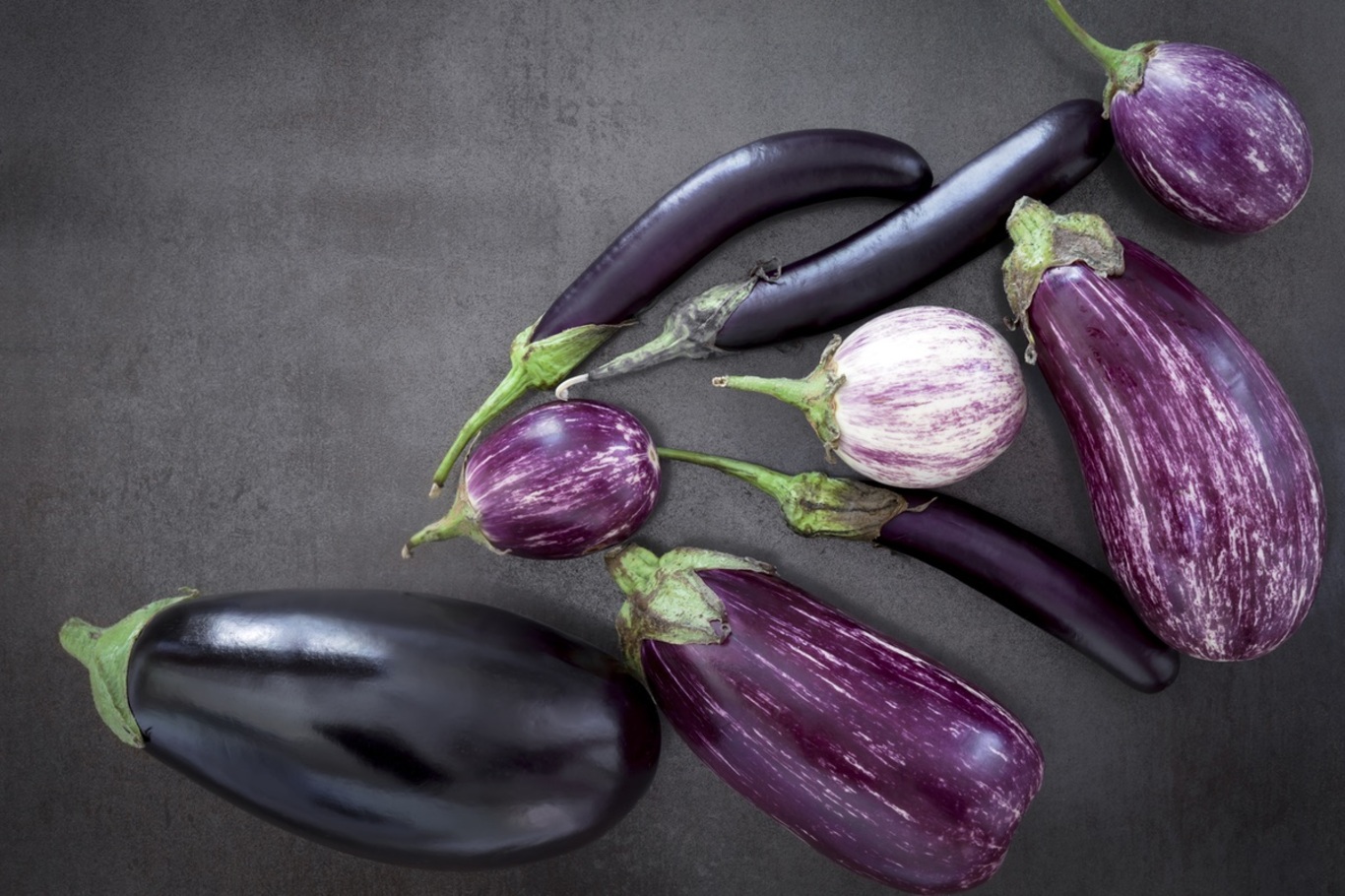
Nutritional Benefits of Eggplant
Eggplant is more than just a stunning deep purple vegetable; it is a powerhouse of nutrition. Rich in phytonutrients, antioxidants, and fiber, it supports overall health and wellness. The vibrant eggplant purple skin is packed with anthocyanins, which have been linked to improved heart health and reduced inflammation. According to the USDA, eggplants contain essential nutrients such as potassium, vitamin C, thiamin (B1), folate, niacin, magnesium, copper, and manganese, all of which contribute to a balanced diet.
Additionally, eggplants are low in calories yet high in fiber, making them an excellent choice for weight management. Their high antioxidant content helps combat oxidative stress, while potassium supports heart health by regulating blood pressure. Studies from Michigan State University Extension have highlighted the benefits of incorporating eggplant into daily meals, reinforcing its status as a nutrient-rich superfood.
Selecting and Storing Eggplant
Choosing the right eggplant is essential to ensure freshness and flavor. Look for eggplants with smooth, glossy, deep purple skin that are firm to the touch. Avoid those with wrinkles, blemishes, or soft spots, as they indicate overripeness or spoilage. A fresh eggplant should feel heavy for its size and have a green, healthy-looking stem.
Proper storage is key to maintaining freshness. Eggplants are best kept in a cool, dry place or inside the refrigerator’s crisper drawer. To prevent moisture loss and premature spoilage, wrap them loosely in a paper towel and store them in a perforated plastic bag. It’s best to use them within a few days for the richest flavor and highest nutrient content.
Preparing and Cooking Eggplant
Eggplant’s versatility makes it a staple ingredient in many cuisines. Before cooking, slice and salt the Eggplant Purple to draw out any bitterness, then rinse and pat dry. Cooking methods such as roasting, grilling, steaming, and sautéing enhance its natural flavors.
One of the most popular ways to prepare eggplant is steamed eggplant recipes, which retain nutrients while bringing out the vegetable’s soft, creamy texture. Adding olive oil and lemon juice enhances both the flavor and health benefits. These simple additions help maximize antioxidant absorption and elevate the overall taste of the dish. Whether you’re making an eggplant preparation as a side dish or a main course, experimenting with different herbs and spices can make each meal unique.
Recreating Traditional Eggplant Recipes
Eggplant has played a significant role in various culinary traditions across cultures. From Mediterranean dishes like baba ganoush to classic Asian stir-fries, it adapts beautifully to different flavors and techniques. One cherished dish is Gonggong’s recipe, a beloved family recipe passed down through generations.
Inspired by Gonggong (Grandfather), this traditional dish highlights steamed eggplant, seasoned with garlic, ginger, and a dash of sesame oil. The preparation honors culinary heritage while showcasing eggplant’s natural richness. Whether served as a comforting meal or a special occasion dish, traditional Eggplant Purple recipes bring people together through shared flavors and memories.
Preserving Culinary Heritage Through Family Recipes
Family recipes are more than just food; they are a connection to history, culture, and loved ones. Cooking eggplant-based dishes passed down through generations is a meaningful way to preserve traditions. Culinary traditions act as a bridge between the past and present, keeping memories alive with every bite.
Incorporating family memories into the cooking process makes each meal special. Whether using a classic eggplant preparation or experimenting with new flavors, the essence of tradition remains intact. By embracing the art of cooking and passing down these recipes, we ensure that the rich legacy of Eggplant Purple continues to thrive in modern kitchens.
Frequently Asked Questions (FAQs)
1. What are the health benefits of eating eggplant?
Eggplant is packed with phytonutrients, antioxidants, potassium, fiber, vitamin C, thiamin, folate, niacin, magnesium, copper, and manganese. These nutrients promote heart health, improve digestion, and boost immunity.
2. How can I remove the bitterness from Eggplant Purple?
Salting eggplant slices and letting them sit for 30 minutes before rinsing helps reduce bitterness while enhancing flavor and texture.
3. What are the best cooking methods for eggplant?
Eggplant can be grilled, roasted, steamed, or sautéed. Steaming retains the most nutrients, while grilling adds a smoky depth to the flavor.
4. How long can I store eggplant before it goes bad?
Fresh eggplants last 3-5 days when stored in a cool, dry place or inside the refrigerator’s crisper drawer.
5. What are some traditional eggplant recipes?
Traditional dishes like baba ganoush, eggplant parmigiana, stir-fried eggplant, and Gonggong’s recipe showcase the versatility and deliciousness of eggplant.
Eggplant purple is more than just a color; it represents creativity, elegance, and tradition. Whether in fashion, home décor, or the culinary world, its deep, rich hues evoke a sense of sophistication. By embracing the many uses of eggplant, we celebrate not only its beauty but also its nutritional and cultural significance.
