
Introduction
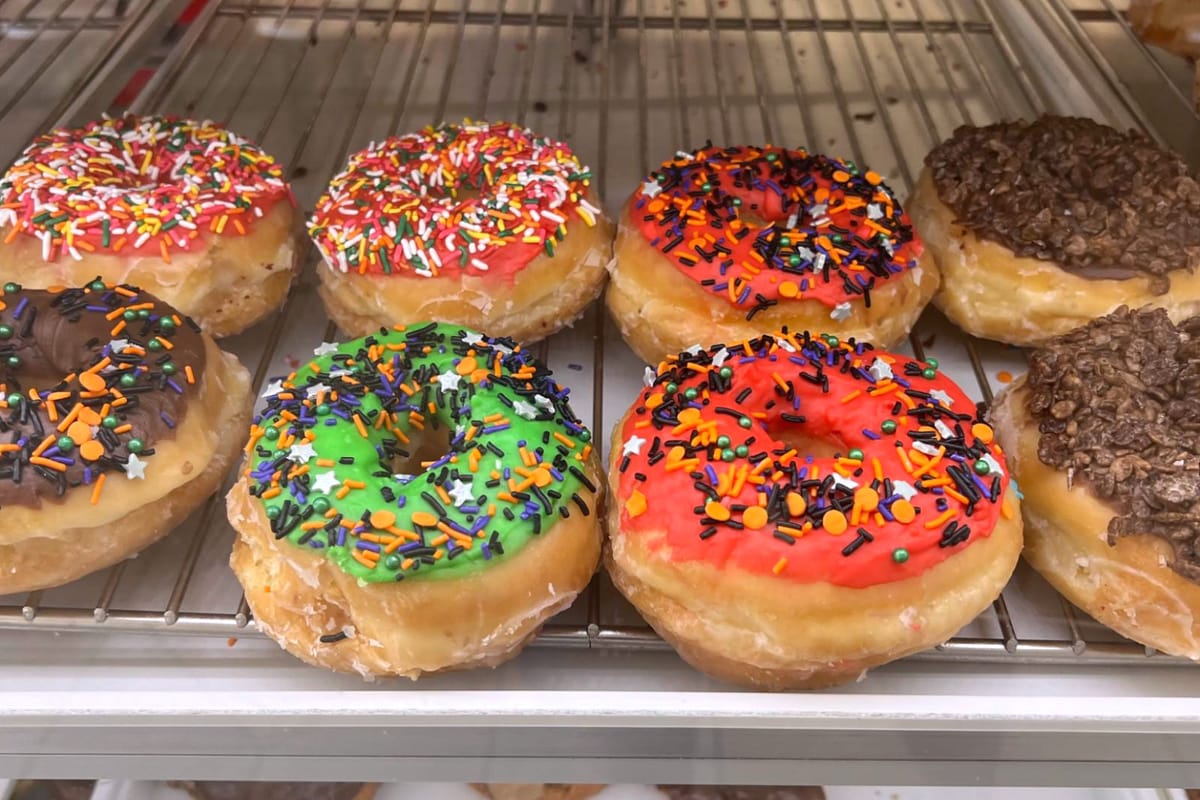
Donuts are a beloved treat worldwide, offering a perfect balance of softness, sweetness, and texture. Whether enjoyed in a bakery or homemade, the foundation of a great donut starts with the right donut mix. This pre-made dry mixture simplifies the donut-making process, ensuring consistency, quality, and efficiency. In this comprehensive guide, we will explore different types of donut mixes, expert techniques, and industry best practices to help you create irresistible donuts every time.
Mastering Yeast Raised Donut Mix
Yeast-raised donuts are a staple in bakeries due to their light, airy texture. This type of donut mix contains yeast as the primary leavening agent, requiring a proofing process to allow the dough to rise properly. The key to mastering yeast-raised donut mix lies in careful temperature variance control, ensuring the yeast activates effectively for optimal dough expansion.
Consistency is crucial when working with yeast-raised donut mix. Experts like Tim Busta from Dawn Foods emphasize the importance of dough fermentation for achieving a fluffy, flavorful donut. Additionally, bakery staff training is essential to maintaining uniformity across batches, as factors like dough tenderness and hydration levels can impact the final product.
Tolerant Mixes: Achieving Perfect Consistency
One of the most significant advancements in the baking industry is the development of high-tolerant mixes. These mixes are engineered to withstand various environmental conditions while maintaining product consistency. This is particularly useful in large-scale bakeries where factors such as humidity and temperature fluctuations can affect dough performance.
Tolerant mixes reduce waste by allowing bakers to produce consistent results even when conditions are less than ideal. They also streamline operations by minimizing the need for manual adjustments. By utilizing tolerant mixes, bakeries can achieve a superior final product, whether making ring donuts, long johns, or twists.
The Right Cut: Precision in Dough Preparation
The dough cutting process plays a pivotal role in shaping and texturing donuts. Proper cutting techniques ensure even frying and uniform donut expansion. Bakers often use specialized cutters to achieve consistent shapes, whether making classic ring donuts, filled bismarks, or delicate pershings.
Another essential aspect of this process is sheeting and re-sheeting. Repeatedly rolling the dough can affect its structure, potentially leading to tough or unevenly fried donuts. Proper bakery staff training in dough handling ensures that the right balance between elasticity and tenderness is maintained, resulting in a superior donut texture.
How to Use Donut Mix for Maximum Quality
Using donut mix is straightforward, but a few expert tips can make all the difference:
- Follow Package Instructions – Each donut mix has specific requirements for water, eggs, and oil ratios.
- Maintain Proper Temperature – Water and oil should be at the right temperature to ensure ideal dough fermentation.
- Allow Adequate Proofing – Yeast-raised donuts need time to rise properly before frying.
- Use the Right Frying Oil – High-quality oil ensures a crisp exterior without an overly greasy texture.
- Finish with the Perfect Toppings – Glazes, sprinkles, and fillings like apple filling can enhance the flavor and appeal.
Frequently Asked Questions (FAQs)
Q: What is the best way to store donut mix?
A: Keep it in an airtight container in a cool, dry place to maintain freshness and quality.
Q: Can donut mix be used for baked donuts?
A: Yes! Some mixes are formulated for both frying and baking, offering a healthier alternative to traditional deep-fried donuts.
Q: How do I achieve a fluffy texture in yeast-raised donuts?
A: Proper proofing process and careful temperature variance control are essential for light, airy donuts.
Q: What is the difference between cake donut mix and yeast donut mix?
A: Cake donuts use baking powder as a leavening agent, resulting in a denser texture, while yeast donuts rely on yeast fermentation for a fluffier consistency.
Conclusion
Mastering donut mix requires a blend of quality ingredients, precise techniques, and expert knowledge. By understanding the intricacies of yeast-raised donuts, utilizing tolerant mixes, and perfecting the dough cutting process, bakers can create delicious, high-quality donuts consistently. Whether you’re crafting classic ring donuts, delectable bismarks, or delightful twists, the right approach will elevate your baking skills and ensure every bite is as satisfying as the last.
