
Table of Contents
ToggleIntroduction
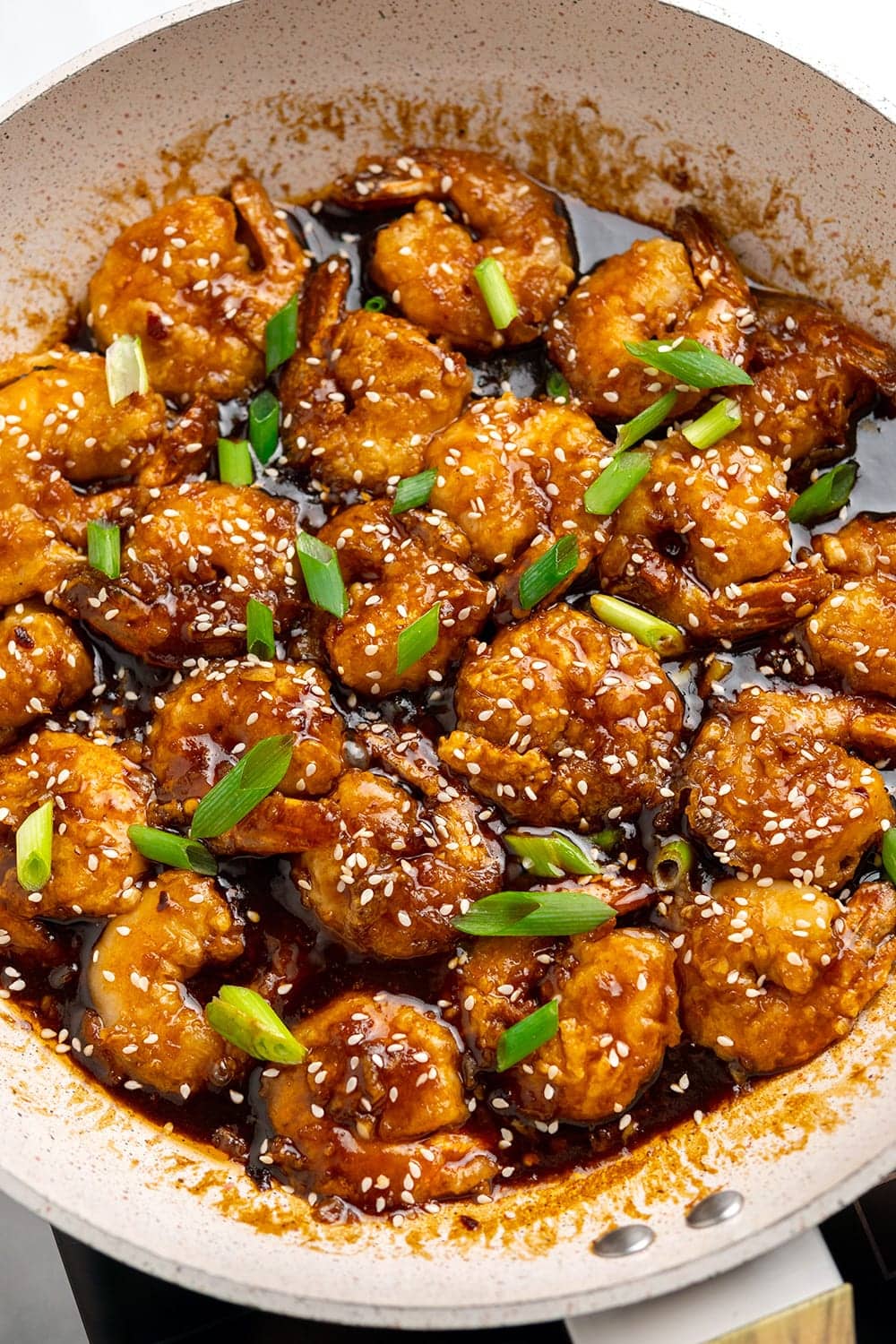
Mongolian Shrimp is a culinary masterpiece that unites the bold, smoky flavors of Mongolian cooking with the delicate sweetness of seafood. Known for its perfect balance of sweet, savory, and spicy notes, this dish has become a global favorite among food lovers seeking something adventurous yet comforting. Every bite is a journey through taste, texture, and tradition — a delicious harmony inspired by Mongolia’s rich cultural tapestry.
A Glimpse into Mongolian Cuisine
Mongolian cuisine reflects the resilience and creativity of its nomadic people. They learned to craft hearty, flavorful meals from simple ingredients. Traditionally, Mongolian dishes feature red meats like lamb and beef, dairy products, and bold seasonings that can withstand the harsh climate.
In recent years, however, chefs and global fusion enthusiasts have started incorporating seafood into classic recipes. This shift reflects how cuisine evolves across borders. Mongolian Shrimp captures that evolution perfectly. It blends authentic Mongolian-style stir-frying techniques with the succulence of shrimp, creating a dish that is both traditional and modern.
The Magic Behind the Marinade
At the core of Mongolian Shrimp lies its irresistible marinade — the foundation of its unforgettable flavor. Plump shrimp are coated in a fragrant mixture of soy sauce, minced garlic, grated ginger, and crushed chili peppers.
The soy sauce adds saltiness and umami. Meanwhile, the garlic and ginger bring warmth and aroma, and the chili adds a gentle heat that lingers on the tongue. A drizzle of sesame oil gives the dish a subtle nutty undertone.
This marinade doesn’t just season the shrimp — it transforms them. As they rest, the shrimp soak up every layer of flavor, ensuring each bite bursts with Mongolian-inspired depth and richness.
Searing and Stir-Frying: The Wok’s Role
Cooking Mongolian Shrimp is as much an art as it is a science. The dish comes alive in the wok — the beating heart of Asian culinary tradition. Once marinated, the shrimp are quickly stir-fried over high heat. This process seals in their juices and creates a light caramelized coating that enhances both texture and taste.
As the shrimp hit the hot wok, they sizzle instantly. The sound, the aroma of garlic and ginger, and the rising steam create a sensory experience that captivates every sense. The goal is simple: achieve a golden, slightly crisp exterior while keeping the inside tender and juicy. That balance defines great stir-frying.
Crafting the Signature Sauce
The sauce is what truly elevates Mongolian Shrimp. It’s a blend of soy sauce, hoisin sauce, and oyster sauce, with a touch of brown sugar or honey for sweetness. The result is a velvety sauce that perfectly balances salty, sweet, and tangy elements.
To give it the ideal consistency, a little cornstarch mixed with water helps thicken the sauce. When poured into the sizzling wok, it bubbles and coats the shrimp in a glossy glaze that’s impossible to resist.
For added depth, you can include a splash of rice vinegar or Shaoxing wine. These bring a bright, slightly acidic note that cuts through the richness and lifts the entire flavor profile.
Adding Vibrant Vegetables
To complement the savory shrimp and sauce, crisp vegetables bring freshness and color to the plate. Bell peppers, onions, and scallions are stir-fried until tender-crisp, preserving their natural sweetness and crunch.
The contrast between the juicy shrimp and the bright, crunchy vegetables creates a perfect balance. For more variety, you can toss in mushrooms, snow peas, or baby corn. Just remember — the secret lies in harmony: every bite should mix shrimp, veggies, and sauce in one delicious mouthful.
Finishing Touches: Garnish and Presentation
No Mongolian Shrimp dish is complete without its final flourishes. A sprinkle of toasted sesame seeds adds a nutty aroma, while chopped cilantro or green onions bring a burst of freshness that cuts through the richness.
For a stunning presentation, serve the shrimp over steamed jasmine rice or lightly tossed noodles. The fluffy grains absorb the savory sauce, making every mouthful deeply satisfying.
Serving Suggestions and Pairings
Mongolian Shrimp is wonderfully versatile. You can serve it as a main dish for lunch or dinner, or as part of a larger Asian-inspired spread. It pairs beautifully with:
-
Steamed or fried rice for a classic, comforting meal.
-
Garlic noodles or lo mein for a restaurant-style twist.
-
Asian slaw or cucumber salad for a cool, refreshing contrast.
When it comes to drinks, light white wines like Riesling or Sauvignon Blanc are excellent choices. Their crisp acidity complements the sauce’s richness. If you prefer non-alcoholic options, green tea or citrusy mocktails pair beautifully too.
Cultural Significance and Modern Appeal
Beyond its taste, Mongolian Shrimp symbolizes the fusion of old and new. It represents Mongolia’s culinary adaptability — a cuisine that honors tradition while embracing modern influences.
In Mongolian culture, food stands as a symbol of hospitality and connection. Sharing a flavorful dish like this one brings people together, reflecting the warmth and generosity of Mongolian traditions. Today, as global tastes continue to evolve, dishes like Mongolian Shrimp prove that food truly transcends boundaries.
A Journey Worth Taking
Whether you’re a seasoned cook or a curious foodie, preparing Mongolian Shrimp at home is both simple and rewarding. It’s a dish that engages all your senses — from the sizzling sound of the wok to the burst of flavors in every bite.
Each mouthful tells a story of Mongolia’s vast landscapes, enduring traditions, and creative spirit. Mongolian Shrimp isn’t just a meal — it’s a journey through flavor, culture, and discovery.
