
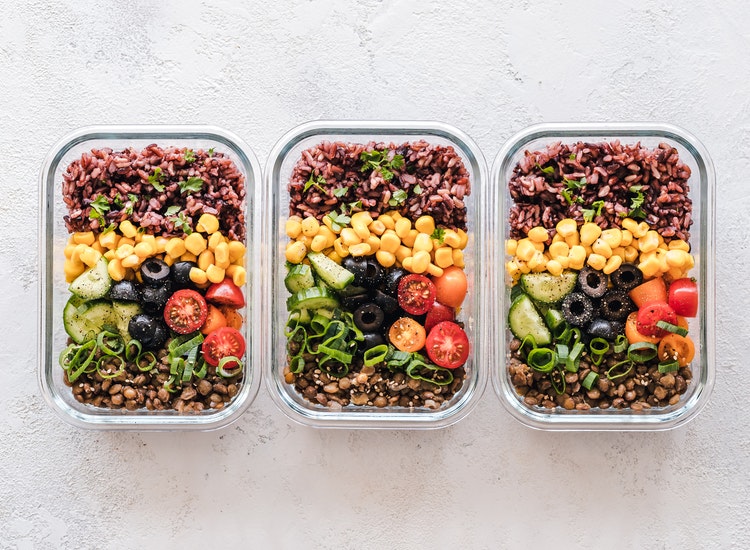
What is a healthy diet?
Healthy eating does not mean being restricted, losing weight, or denying yourself the foods you love. It’s all about feeling good, having more energy, and improving your health.
Healthy eating does not have to be complicated. You are not the only one feeling overwhelmed by all of the contradicting nutrition and diet advice. You’ll find another expert saying the exact opposite. While certain nutrients or foods have been shown to improve mood, your overall diet is what is most important. A healthy diet must include real food and replace processed foods with natural food as much as possible. It can make a big difference in how you feel, think, and look.
These simple tips will help you cut through the confusion to learn how to make a nutritious, tasty, and varied diet that’s as good for your brain as it is for your body.
Healthy eating basics of Healthy Eating
Even though some extreme diets might suggest otherwise, all of us need to eat a balanced diet that includes protein, fats, carbohydrates, fiber, and vitamins in order to maintain a healthy body. It doesn’t mean you have to avoid certain food groups but instead chooses the best options.
Protein provides energy and support for mood and cognitive function. People with kidney disease can have too much protein. However, the latest research shows that we all need more high-quality protein as we age. This doesn’t necessarily mean that you should eat more animal products. Your body can get all the essential proteins it needs by eating a variety of plant-based protein sources each day.
Fat. All fats are not created equal. Bad fats can ruin your diet and increase your chance of developing certain diseases. However, good fats are good for your brain and heart. Healthy fats, such as omega-3s, are vital for your emotional and physical health. Healthy fats can improve your mood, and well-being and even reduce your waistline.
Fiber. Consuming foods rich in fiber (grains and fruits, vegetables, beans, and nuts) can help you maintain a regular diet and reduce your risk of developing heart disease, stroke, or diabetes. You can even lose weight and have better skin.
Calcium. In addition to osteoporosis, a lack of calcium can cause anxiety, depression, and sleep problems. No matter your age, gender, or race, calcium-rich foods are essential to your diet. Limit the intake of calcium-depleted foods and ensure you get enough magnesium, D, K, and other vitamins to support calcium’s work.
Carbohydrates should be one of your main sources of energy. Complex, unrefined carbohydrates (vegetable whole grains, fruits) should be the main source of energy. Sugars and refined carbs are not recommended. Reducing your intake of white bread, pastries and starches can help to prevent spikes in blood sugar and fluctuations in mood and energy. It also helps prevent a buildup of fat around the waistline.
Switching to a healthier diet
It doesn’t need to be a one-size-fits-all approach to changing to a healthier diet. You don’t need to be perfect. You don’t necessarily have to eliminate all foods that you love. And you don’t always have to make drastic changes at once. This can lead to cheating and abandoning your new eating habits.
It is better to only make small changes at a given time. You can achieve more long-term without feeling overwhelmed or deprived by major changes to your diet. You can think of planning a healthy lifestyle as a series of small, manageable steps. For example, adding a salad to your daily diet. You can add more healthy options to your diet as you make small changes.
Set yourself up for success
Keep things simple to ensure your success. You don’t need to be difficult in order to eat a healthier diet. Instead of worrying about calories, consider your diet in terms of color, variety, and freshness, and avoid over-focusing on counting calories. Avoid processed and packaged foods, and choose fresher ingredients whenever you can.
Make more of your own recipes You can cook more meals at home and take control of your diet. You will eat fewer calories and avoid unhealthy fats such as added sugar and chemical additives in take-out and packaged foods. This can make you feel tired, bloated, and irritable and may worsen your symptoms of anxiety, stress, depression, and other mood disorders.
Make the right adjustments. It’s important that you replace unhealthy foods with healthier alternatives when cutting down on unhealthy food. Your health will improve if you replace harmful trans fats with healthy fats, such as substituting fried chicken for grilled salmon. However, switching from animal fats to refined carbohydrates (e.g. swapping your breakfast bacon for donuts) won’t reduce your heart disease risk or improve your mood.
Check the labels. You need to know what is in your food. Many manufacturers hide unhealthy fats and sugars in processed food.
Pay attention to how you feel after eating. This will encourage healthy habits and new tastes. You will feel better after eating healthy food. You will feel more tired, uncomfortable, or nauseous if you eat a lot of junk food.
Get plenty of water Although water helps to flush out toxins and waste products from our bodies, many people are dehydrated, which can lead to fatigue, low energy, and headaches. It is common for people to mistake hunger for thirst, so it is important to stay hydrated in order to make better food choices.
Moderation is key to a healthy diet
What is moderation? Moderation is simply eating as little food as your body requires. At the end of a meal, you should feel satisfied, but not full. Moderation is for many people a way to eat less than what we eat now. Moderation doesn’t necessarily mean avoiding foods that you love. For example, eating bacon once a week for breakfast could be considered moderate if it is accompanied by a healthy lunch or dinner. But not if it is accompanied by donuts and a sausage pie.
Don’t think of certain foods as “off-limits.” It’s normal to crave certain foods and feel guilty if you succumb to temptation. Reduce the amount of unhealthy food you eat and reduce how often you eat them. You may notice a decrease in cravings for unhealthy foods or a reduction in the amount you eat.
Consider smaller portions. Recently, serving sizes have increased dramatically. Take a starter to replace an entree when dining out. Split a dish with friends and don’t order anything too large. Visual cues are helpful in determining the portion size at home. A serving size for meat, fish, and chicken should be about the same size as a deck of cards. Half a cup of rice, mashed potato, or pasta should be approximately the same size as a traditional lightbulb. Your brain will believe that you are eating a bigger portion if you serve your meals on smaller plates and in bowls. You can add more greens to your meal or fruit to make you feel fuller.
Take your own time. Slow down and consider food as nourishment, not something you eat between meetings or while driving to pick up your kids. Your brain takes several minutes to signal to your body that you have had enough food. So eat slowly and stop eating when you are full.
Share your meals. Mindless eating, especially when you are alone with your TV or computer, can lead to overeating.
Avoid snack foods at home. Take care of your food. If you keep unhealthy snacks and treats close by, it can be more difficult to eat healthily. Make healthy choices, and when you feel like a reward, go out to get it.
Manage emotional eating. Food is not always consumed to satisfy our hunger. Many people turn to food to alleviate stress and cope with sadness, loneliness, and boredom. You can learn healthier ways to manage stress, and emotions and eat better.
Increase the number of fruits and vegetables in your diet
Low in calories, vegetables are nutrient-dense, which means that they are high in vitamins, minerals, and antioxidants. You will feel fuller and less likely to eat unhealthy food if you eat five or more servings of fruits and vegetables. For example, a serving is half of a cup of raw fruits or vegetables or a small amount of apple or banana. The majority of us need to eat twice the amount that we currently consume.
Increase your intake
Your favorite breakfast cereal can be made more antioxidant-rich by adding berries
For dessert, eat a variety of sweet fruits, including mangos, oranges, pineapples, and grapes.
Swap your usual rice or pasta side dish for a colorful salad
You can snack on vegetables like carrots, snow peas, or cherry tomatoes instead of snacking on processed snacks.
How to make vegetables delicious
Steamed vegetables and plain salads can quickly lose their flavor, but there are many ways to spice up your vegetable dishes.
Add color. Brighter and deeper-colored vegetables have higher levels of vitamins, minerals, and antioxidants. They can also enhance the taste and appeal of meals. You can add color to your dish with sundried or fresh tomatoes, glazed carrots, and beets as well as yellow squash wedges, roasted red cabbage wedges, yellow squash, and sweet, colorful peppers.
Freshen up your salad greens You don’t have to limit yourself to lettuce. All vegetables are rich in nutrients, including kale, arugula, and spinach as well as mustard greens, broccoli, and Chinese cabbage. You can add flavor to your greens by adding olive oil to them or adding a spicy dressing.
Please satisfy your sweet tooth. Sweet vegetables, such as sweet potatoes, carrots, sweet potatoes, and sweet onions, can add sweetness to your meals, while also reducing your need for sugar. For a sweet and satisfying kick, add them to soups, stews, or pasta sauces.
Try new ways to cook green beans, asparagus, and Brussels sprouts Instead of steaming or boiling these Healthy Eating sides, you can grill, roast, pan-fry, sauté, or sauté them with chili flakes and garlic. Before cooking, marinate them in a tangy lemon juice or lime.
